Noticias
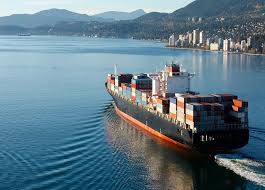
Supporting Safe and Efficient Maritime Logistics
Fuente: MasContainer19 mayo 2025
The global shipping industry has always been more than vessels and cargo. Behind every successful route is a crew navigating tight schedules, heavy equipment and unpredictable working conditions. While container movement and port coordination often grab the headlines, it is the preparation of maritime personnel that quietly ensures the system keeps running safely.
For logistics professionals working in or alongside maritime transport, understanding the importance of STCW courses is not just useful but necessary. These courses define the minimum safety and operational standards for seafarers worldwide. In a logistics chain that depends on efficiency and risk reduction, safety at sea matters just as much as efficiency on land.
Improving port reliability through maritime safety standards
Shipping companies and logistics providers are deeply connected. Whether you are managing port operations or coordinating routes with international partners, your responsibilities often overlap with crews operating under the Standards of Training, Certification and Watchkeeping (STCW) Convention.
STCW courses are mandatory for anyone working at sea and include training in survival, firefighting, first aid and onboard safety responsibilities. These topics address real risks that can disrupt cargo delivery, port entry schedules and even international trade if not managed properly.
When delays happen at sea, it affects warehouse space, trucking slots and last-mile services. That is why investing in or requiring updated training standards across all maritime links in your chain supports your own delivery performance.
Compliance is not only the ship owner’s role
It is easy to assume that vessel safety is entirely the responsibility of the shipping company. However, the truth is, when logistics firms contract international carriers, the level of training onboard can directly affect turnaround times, customs inspections and even reputational risk.
By aligning with partners who prioritise STCW courses or by incorporating basic awareness of seafarer training into port-side operations, logistics companies reduce their exposure to preventable delays and liabilities. This awareness also helps you meet the broader expectations of regulators and insurers who are beginning to examine safety history across the full supply chain.
Additionally, global partners in logistics must often comply with national and international workplace regulations. That is where OSHA compliance certification plays a role, especially in port facilities and container yards operating in the United States. OSHA training helps ensure cargo handlers, inspectors and on-site personnel remain protected from injuries, equipment failures and hazardous material exposure.
How safety shapes the way work gets done
This shared responsibility extends beyond compliance paperwork. It shapes how smoothly operations run, especially when delays, inspections or incidents disrupt the flow of goods. Clients increasingly expect not only timely deliveries, but also assurance that safety protocols are being upheld across every stage of the journey. That expectation applies from the vessel to the port and throughout the handling process.
Maritime incidents, even those minor in nature, ripple across entire logistics schedules. Reducing these risks starts with solid training STCW courses. Seafarers are equipped with the discipline and knowledge to handle emergencies and routine operations without disrupting their commercial commitments.Complementing this with OSHA compliance certification for shore-based staff closes the gap between onboard and onshore responsibilities. This dual approach is important in logistics as it indicates professionalism.
Conclusion
Modern logistics has become increasingly integrated. While much attention is placed on digital tracking and automation, the strength of the system still rests on the people moving the goods. Training matters both at sea and on land, supporting STCW courses for maritime professionals and reinforcing OSHA compliance certification at ports or terminals is necessary in maintaining reliability and safety in the global flow of trade.

Para una mejor experiencia, gire su dispositivo.